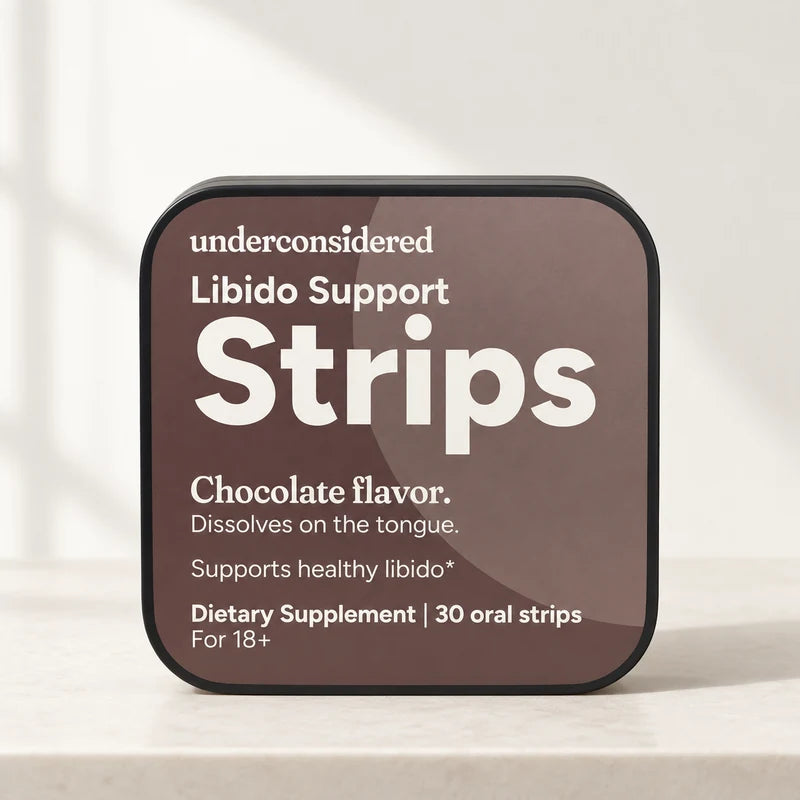
 Libido Support Strips
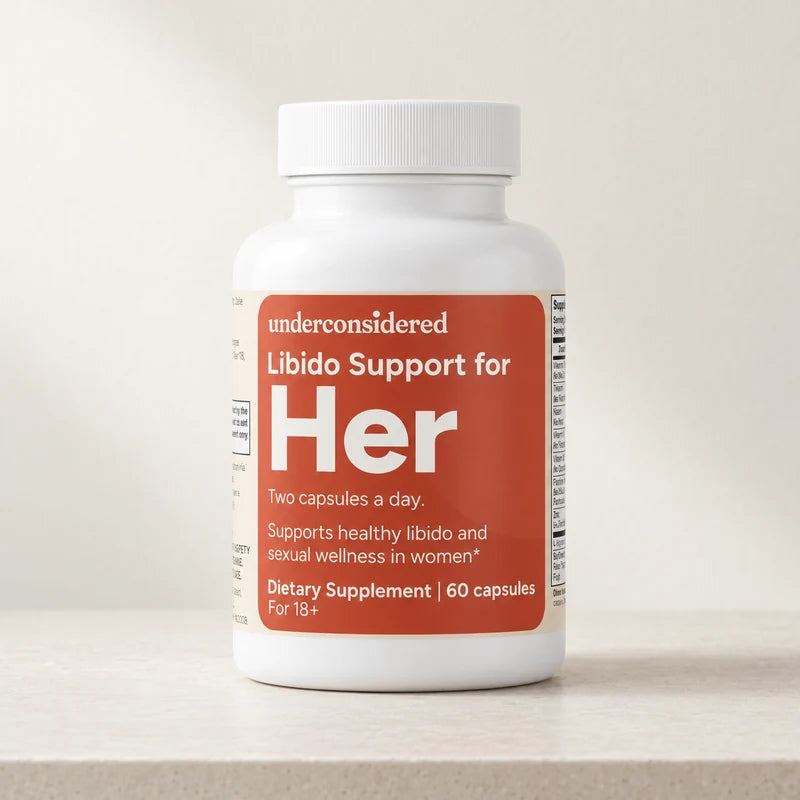 Libido Support for Her
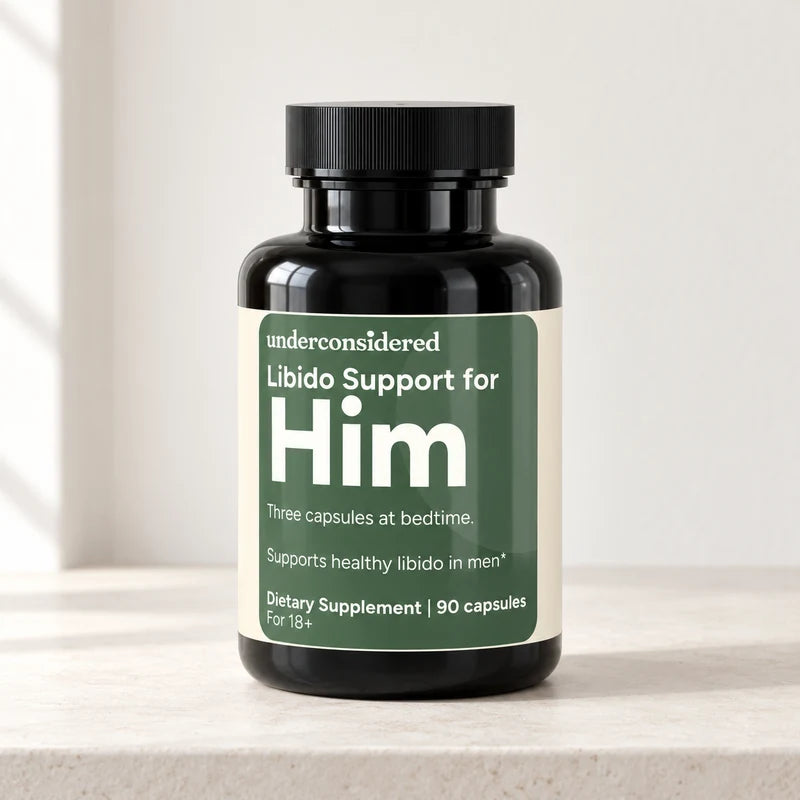 Libido Support for Him
 Citrulline + Arginine

A label can tell what is in a product. It cannot tell the whole story of the person considering it.
That is where a conversation with a doctor or pharmacist belongs. NCCIH advises discussing supplement use with a health professional, especially alongside medicines.
The conversation does not need a polished opening. A product label and a few practical questions are a good place to start.
Bring the full label
Use the current label, not just the product name. Bring the Supplement Facts panel, other ingredients, directions, warnings, and serving size.
Photos of every panel can work as a reference. Make sure the text is readable and that the photos show the same product.
A familiar ingredient may appear in different forms and amounts. Giving the full label avoids asking the pharmacist to fill in those details.
If a detail is missing, say it is missing. That is useful information, too.
Bring a current list
Include prescription medicines, nonprescription medicines, and other supplements. Keep names, amounts, and usual timing with each entry.
Ask the pharmacist what else they need to know. There may be important details that a general shop guide cannot anticipate.
Keep that list private. There is no need to enter it in a product quiz, an order note, or a shop's general email form.
The purpose is a direct professional conversation. A shop account is not a medical record.
Ask about the whole combination
Try: “Can we review this product alongside everything else on my list?” That gives the conversation a clear starting point.
Next, ask whether any ingredient, amount, or direction needs a closer look. Let the pharmacist decide which follow-up questions are needed.
Do not change prescribed medicine to make room for a supplement. Take any question about a medicine change to the professional who manages it.
A product being sold without a prescription does not remove the need for that review.
Ask what to do next
It is reasonable to leave with a plan to wait. The next step may be asking the seller for a clearer label or another product detail.
Ask what to watch for, when to seek advice, and whether timing matters. Write down the answer in plain words.
Repeat it back if any part is unclear. A simple check can be more useful than leaving with a page of terms nobody explained.
If the pharmacist cannot assess a missing detail, ask what information would make the next conversation useful.
Keep the choice separate from the purchase
There is no need to buy first to make the conversation worthwhile. A screenshot can travel to the pharmacy before a parcel travels home.
If buying for two, each person needs their own review. Sharing an order does not make medicine lists or personal circumstances the same.
A matching pair of tins is an order format. It is not a reason to share a daily serving or skip a caution.
Take the card
Our printable pharmacist card has five questions and room to keep the conversation focused.
Use it as a prompt, not a scorecard. There is no correct shopping answer to reach by the end.
The useful outcome is knowing the next sensible step. Sometimes that is a question for the seller. Sometimes it is choosing not to add anything.
Sources: